














CTT Dissemination Animation
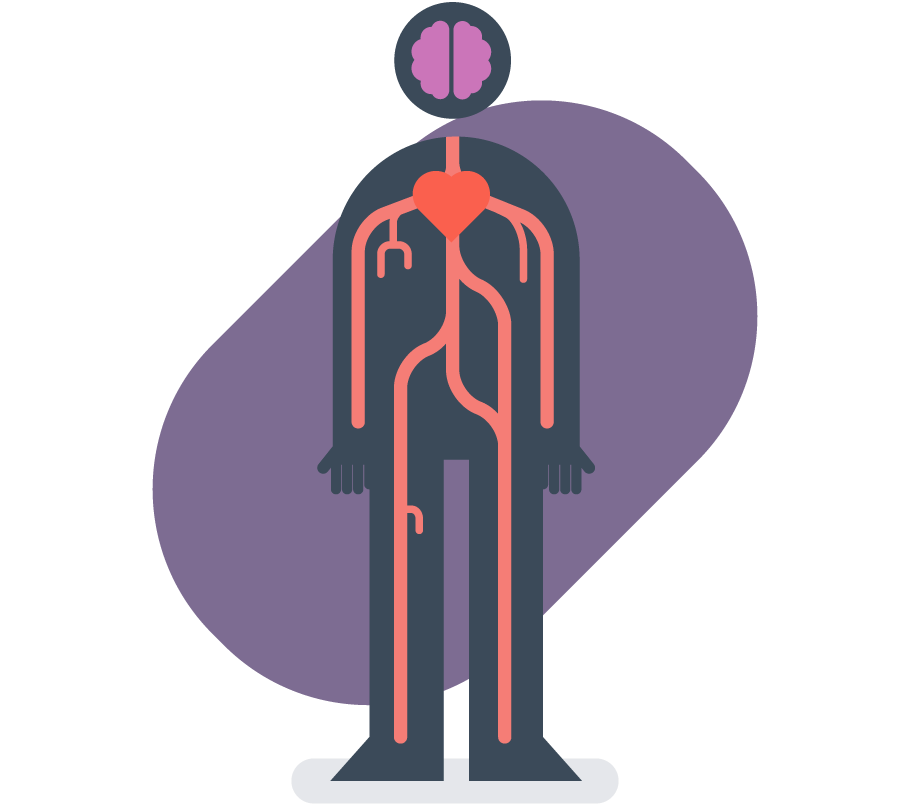
As we get older, high levels of ‘bad cholesterol’ in our blood… can lead to fatty material building up in the walls of our arteries.
This can cause our arteries to become narrower or even blocked, stopping our blood flowing properly.
If this happens in our heart or brain, it can lead to a heart attack or stroke.
These can cause death or life-changing disability.
A widely available and affordable type of medication, called statins can lower our levels of bad cholesterol.
Statins have been tested in many clinical trials around the world.
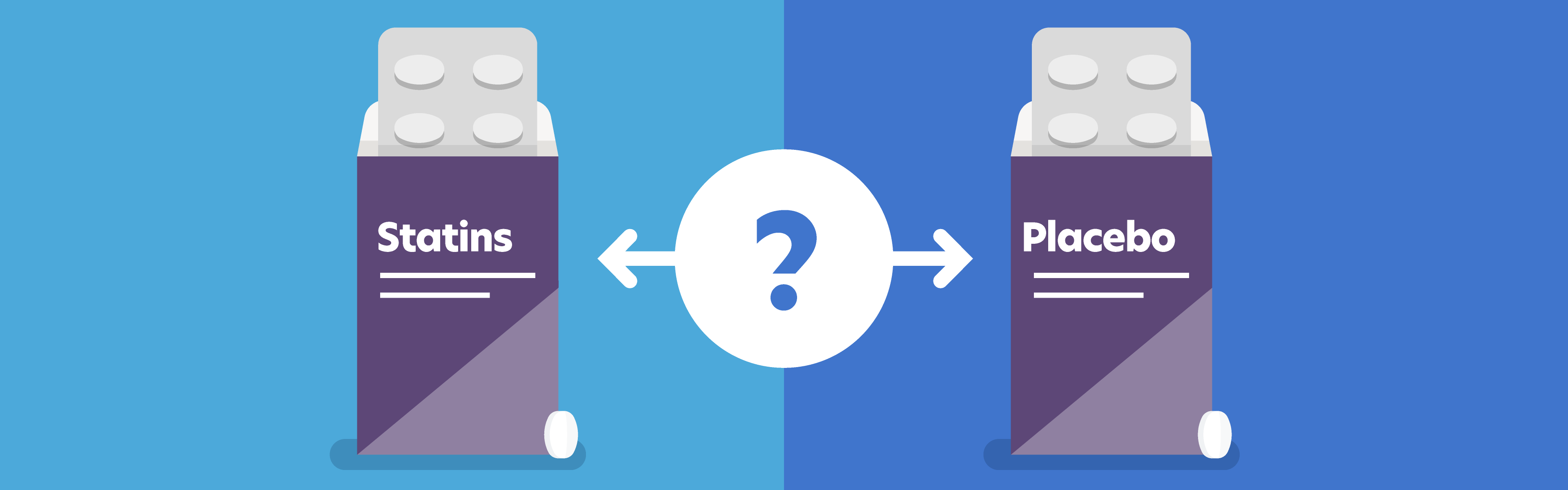
In the highest quality trials large numbers of volunteers were randomly split into two groups one given a statin tablet and the other a matching dummy tablet, called a placebo.
Then scientists compared the health of each group over a period of years.
As neither group, nor clinical trial staff, knew which type of tablet they had been given the comparison between the groups was as fair as possible.
The results showed that statins are really effective at reducing heart attacks and strokes and that the benefits of taking them hugely outweigh any risks.
However, concerns about possible side effects have led some people to stop taking statins or decide against starting them.
To find out if this is really the case, a group of researchers looked at all the information from these high-quality big clinical trials.
They organised millions of pieces of information, from around 155,000 trial participants into a database.
Then they searched statin packaging leaflets for reports of medical problems listed as potential side effects to see if it made any difference whether people had taken the statins or the placebo.
The researchers found that memory loss or dementia, depression sleep disturbance, erectile dysfunction, weight gain, nausea, fatigue or headache and nearly all the other conditions listed as potential side effects occurred just as often in people taking the placebo as in those taking statins.
For example, each year the number of reports of memory impairment was 0.2% in those taking the statins, but also 0.2% in those taking the placebo.
This means that while people may notice these symptoms whilst taking statins there is now good evidence that they are not caused by the statin.
There was a very small increase in risk — about 0.1% in abnormal liver blood test results but no increase in serious liver conditions.
We already knew that almost all muscle problems, over 90%, are not caused by statins at all.
The very small number of muscle problems that were caused by a statin were generally mild and mainly occurred in the first year of treatment.
Statins can slightly increase the chance of developing diabetes mainly in those already at higher risk.
Taken together with what we already knew the new findings show that statins do not cause most of the possible side effects listed in the packaging leaflets.
Statins reduce your risk of having a heart attack or a stroke and the benefits increase if the treatment is taken for a number of years.
For most people, the benefits of statins will hugely outweigh any potential side effects.